
From Euro-priced software on a Rand budget to AI that speaks 11 official languages, top tech leaders show how South African culture shapes enterprise innovation.
When Absa Group CITO Johnson Idesoh set out to build an AI banking assistant, he faced a constraint unique to South Africa: delivering financial services across 11 official languages without leaving a single customer behind.
In server rooms across the country, top IT chiefs are realising that local realities – from acute skills shortages to currency swings – are no longer operational hurdles. Instead, they are the very engine driving a distinct form of digital leadership rooted in Ubuntu.
Leadership, Ubuntu and purpose
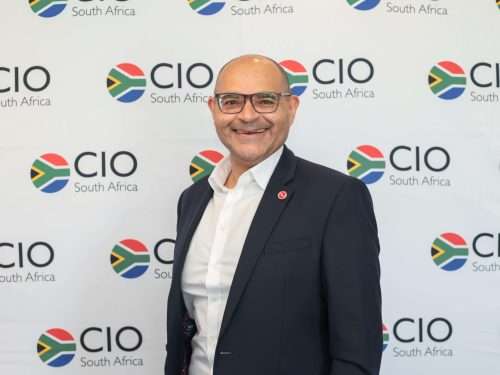
For Johnson, effective leadership starts with unshakeable core values.
“If you don’t stand for something, you’ll fall for anything,” Johnson says. “Leadership begins with purpose. If you are clear on what you stand for, decisions become easier during periods of uncertainty and change.”
Johnson stresses that while markets shift and technologies evolve, purpose provides a constant anchor. For him, that means creating meaningful customer outcomes, developing people and contributing to continental growth.
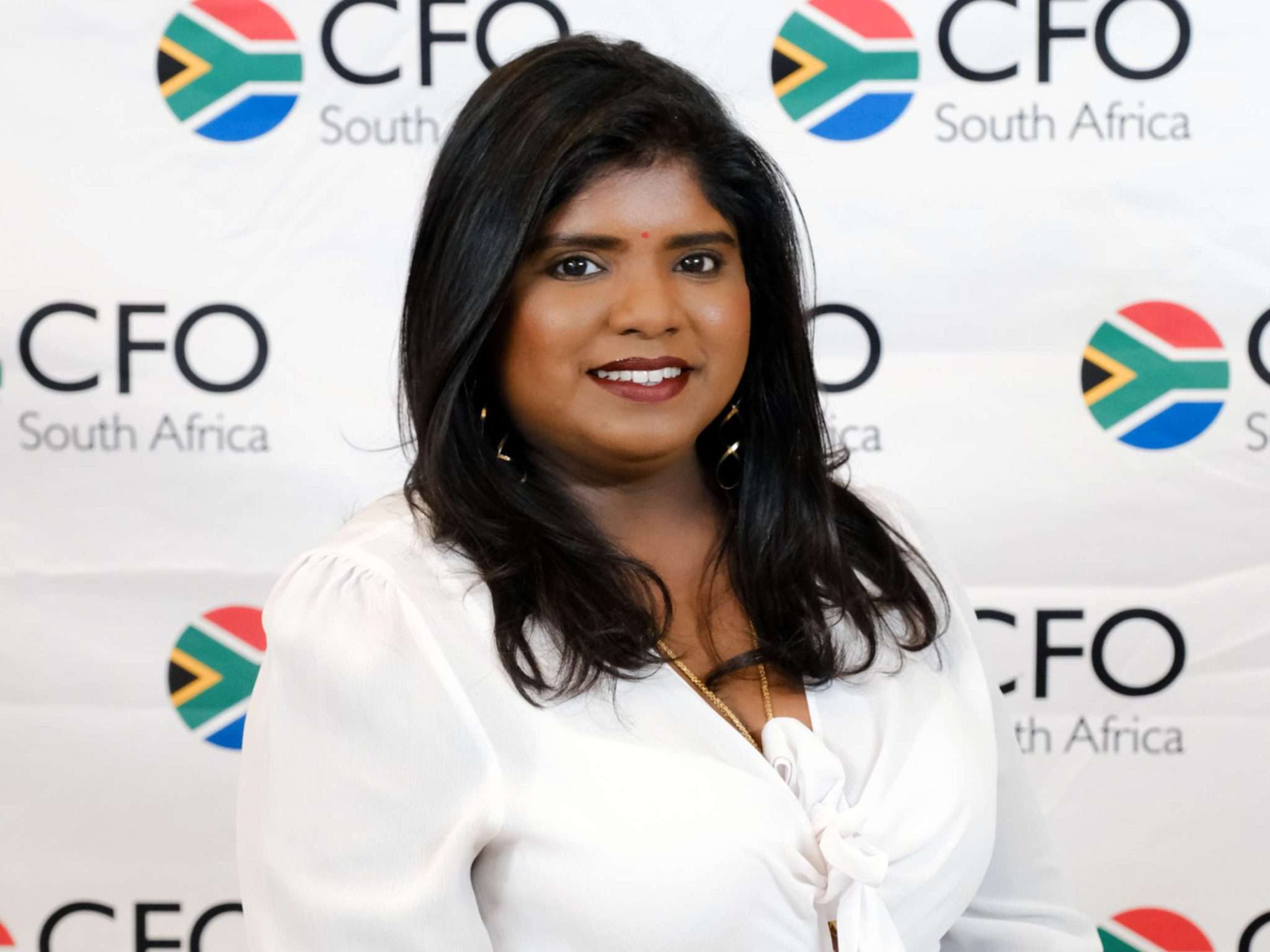
Heineken Beverages digital and technology director Corlia van Zyl points to Ubuntu. The proverb Umuntu ngumuntu ngabantu means a person is a person through other people.

“Leadership is about interconnectedness,” Corlia explains. “You lead by recognising the humanity in others.”
At SAICA, Group chief information officer Yosheen Padayachee anchors her style in Setswana wisdom. The saying Kgosi ke kgosi ka batho means a chief is a chief through the people. “It's a close cousin of umuntu ngumuntu ngabantu, but it speaks directly to leadership, and it fits how I try to work,” explains Yosheen.
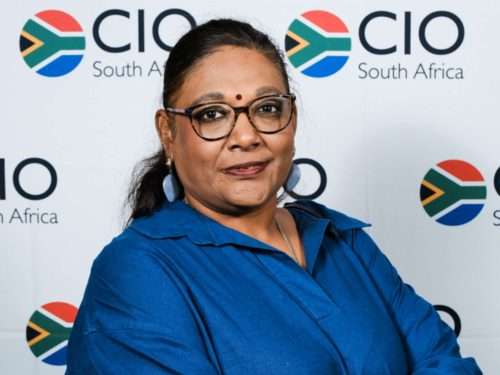
“Whatever authority or usefulness I have comes from understanding what my team needs,” she adds. “It means taking their judgement seriously and helping them get where they are going.”
Innovation through local constraints
South African tech leaders operate in an environment defined by unique economic and operational realities. From multilingual customer bases to currency fluctuations and skills shortages, local constraints demand creative problem-solving.
At Absa, serving a diverse population meant tackling language barriers in financial services. Johnson’s team responded by launching an AI-powered assistant on their Business Banking webpages that interacts in all 11 official languages.
“Language cannot become a barrier to accessing financial services,” Johnson says. “The best innovations emerge when you start with a real customer need and work backwards.”
At Heineken Beverage, constraint meant deploying Euro-priced technology within a South African Rand budget.
Corlia’s team relied on sharp negotiation and creative alternatives to deliver enterprise value without overspending.
Meanwhile, skills scarcity remains a shared challenge across industries.
At SAICA, Yosheen faced severe IT vacancies in a tight market. Rather than waiting for unavailable senior hires, her team restructured around core capabilities: run, change, align, govern and secure. Vendor management became an active capability, while architecture was reframed as a governance layer.
“The real innovation was not the structure itself,” Yosheen reflects. “It was a team that turned a shortage into strategic clarity.”
Defining a lasting digital heritage
When executive leaders hand over the keys, they measure legacy not by software deployed, but by the capability left behind.
“Digital heritage is not measured by the systems you implement,” Johnson observes. “Those will inevitably evolve. Following the example of Nelson Mandela, true legacy is about leaving an institution stronger than you found it.”
For Johnson, that means creating sustainable platforms, developing future talent and opening doors for people who previously lacked access.
Corlia adds a pragmatic reminder for fast-changing tech environments: modern leaders must remain grounded in what works. She notes that traditional waterfall methods still have value, as Agile is not a silver bullet for every challenge.
Yosheen agrees that systems age quickly and should be replaced seamlessly by future leaders. “The real test of a legacy is whether the organisation keeps getting better after you have gone,” Yosheen says. “Handing over the keys should feel uneventful. True heritage is a strong team, clear roles and member trust.”