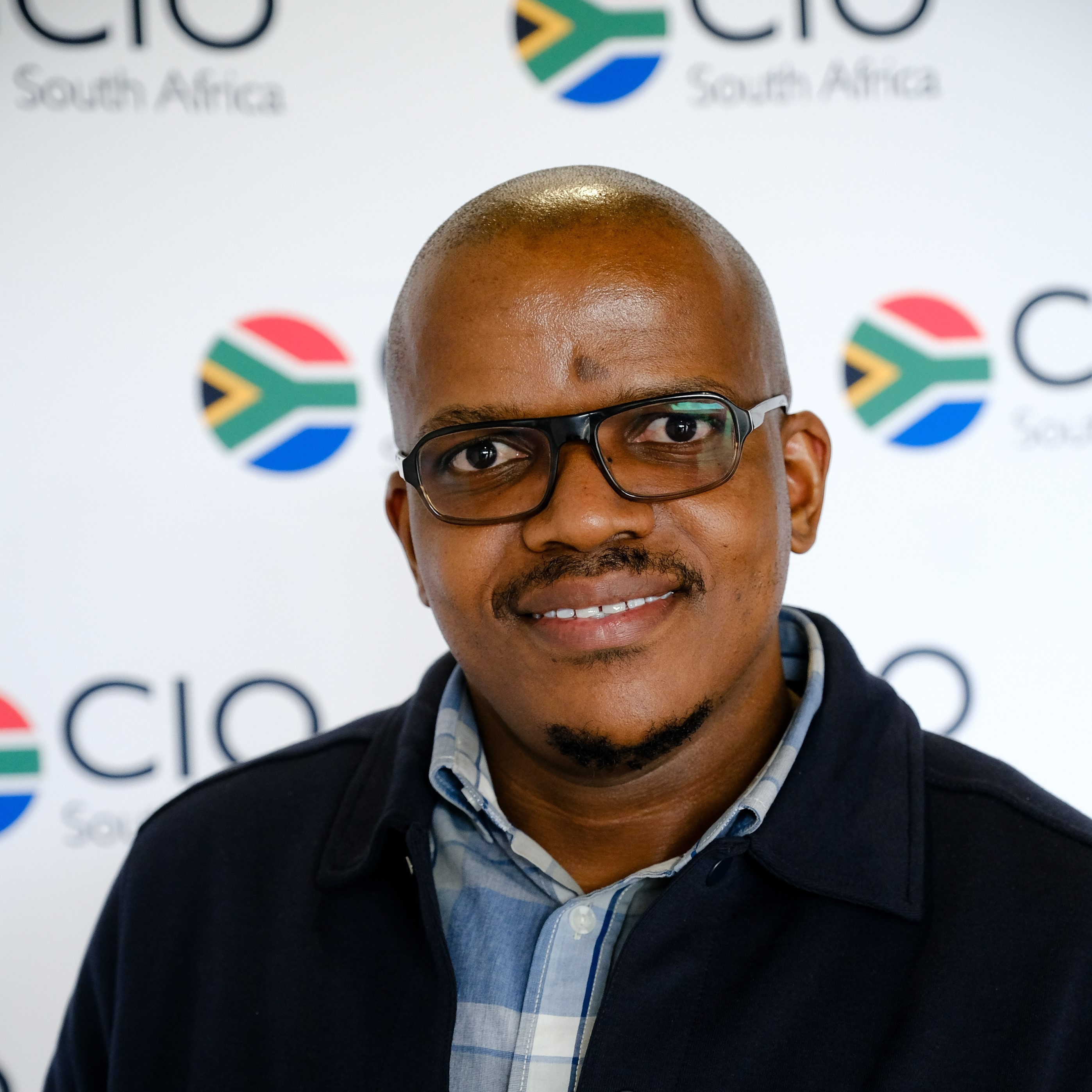
Nirshan returns to banking after a brief stint in the business process outsourcing (BPO) space.
RMB has appointed Nirshan Harryparshad as its new head of business technology. In his new role, Nirshan will oversee the design, development and implementation of technology solutions in RMB’s liquidity and investment division.
An electronic engineer by training, Nirshan began his career in hardware development, designing vehicle tracking systems for Super Group before transitioning into project engineering roles. His career spans a variety of leadership positions, including chief information officer roles at FNB, Ithala SOC and, most recently, Capability BPO.
With a wealth of international IT experience and exposure to global best practices, Nirshan brings a global perspective to his new position. In an exclusive interview with CIO South Africa, he highlighted the importance of intellectual property (IP) in the financial services sector. “Retaining your IP is crucial, especially in highly complex environments such as financial services: there are certain methods and business IP that people become familiar with, as such, IP must be considered when developing sustainable solutions,” he said.
Nirshan holds a bachelor’s degree in electrical, electronic and communications engineering from the University of KwaZulu-Natal and has completed a qualification in digital transformation and platform strategies from MIT Sloan Executive Education.