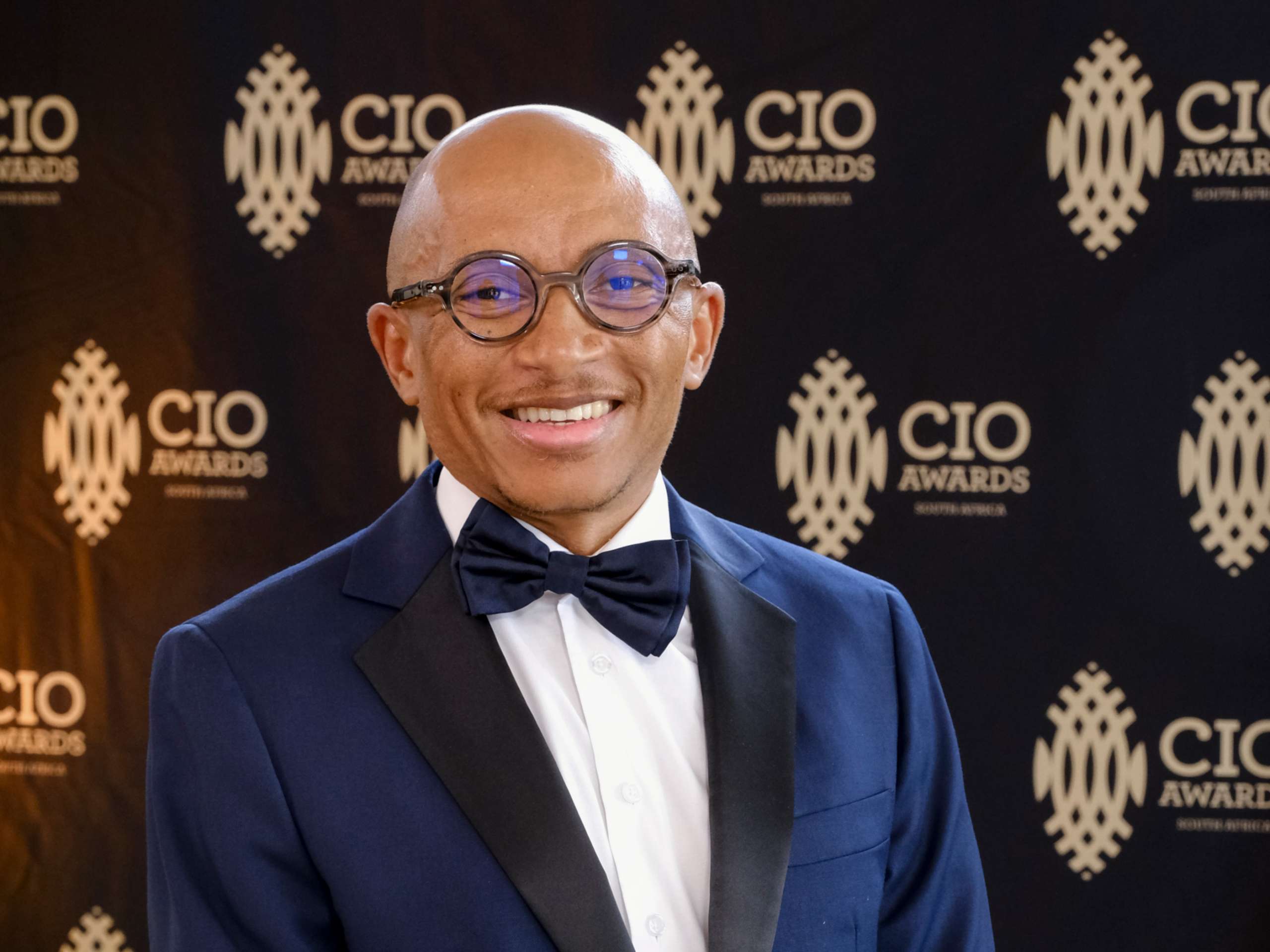
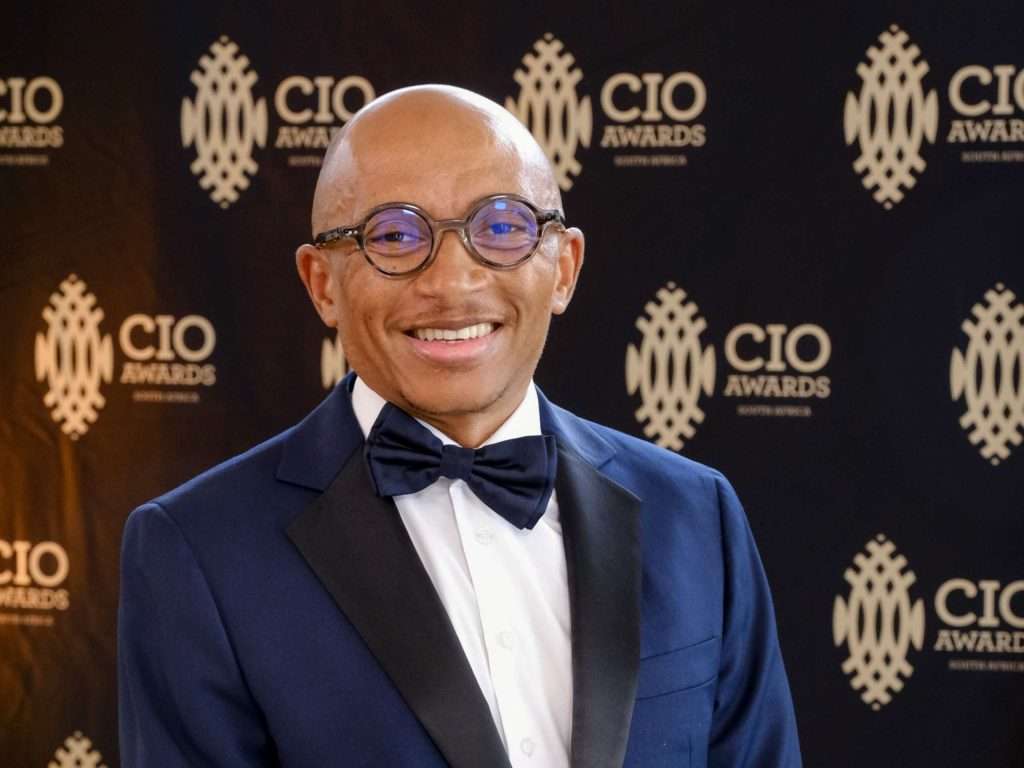
CIO Awards judge and Jem investor and advisory board member, Zuko Mdwaba writes about the evolving role of CIOs in the age of AI and automation.
In today’s rapidly evolving digital landscape, the CIO is no longer just an operational caretaker. Leading advisory firm Spencer Stuart describes the modern CIO as a steward of transformation.
In my career as an executive at some of the world’s most innovative companies, I have seen this shift firsthand. Technology leaders are now expected to drive strategic change while balancing ethics, security and business outcomes.
Transforming a business into an AI‑driven organisation isn’t just a technology project, it requires strategic, cultural and organisational changes led by the CEO and board of directors. Spencer Stuart’s board‑governance research points out that boards must renew their focus on cyber risk, data governance and AI ethics.
Boards should assess both the opportunities and risks of AI and may need to add directors with AI expertise or establish AI advisory committees. Their duty is to ask management the right questions, align AI projects with strategic goals and support cross‑functional initiatives.
The CIO’s authority now spans technology and business. They must act as educators who balance AI hype with practical realities and help executives understand both opportunities and limitations. They also collaborate closely with line‑of‑business leaders who help develop AI applications and with driving adoption. At the same time, CIOs spearhead evaluation of AI technologies and lead automation efforts across internal processes and customer‑facing applications.
In my current role advising AI‑focused startups, I see the same pattern: founders often look to the CIO/CTO to translate AI jargon into business value.
Managing risks, ethics and sustainability
Technology alone will not produce an AI‑driven business. Additionally, CIOs must prioritise developing an AI‑ready workforce by upskilling employees, improving data governance and embedding AI literacy into the organisational culture.
In 2025, AI is driving productivity in coding, content generation and workflow orchestration. However, CIOs must enhance the business acumen of their technology teams.
CIOs and their boards must implement ethical frameworks and robust governance to mitigate bias, protect privacy and ensure compliance. BCG notes that generative AI can reduce technology costs by up to 50 percent and deliver 30 percent efficiency gains, but warns that CIOs must lead compliance efforts, build scalable architectures and establish clear policies.
The Hackett Group’s 2025 CIO Agenda underscores that while executive sponsorship is strong, the real challenge lies in execution. Companies must streamline deployment models, carve out budgets and upskill talent.
The path to an AI‑driven business and an AI‑ready workforce is paved by strategic partnership between the CIO, the CEO and the board. When visionary CIOs have committed executive sponsors, and when organisations invest in their people, AI becomes a catalyst for enduring business transformation.